Paving Solutions: Improve Your Property With Expert Paving Services
Professional surfacing services offer notable advantages for real estate enhancement. They not only improve aesthetics but also boost functionality. Choosing the right materials, such as asphalt or interlocking pavers, can ensure durability and style. The installation process is vital for achieving lasting results. Yet, many homeowners overlook essential maintenance practices that can extend the life of their investment. Understanding these elements is essential for informed decision-making about outdoor spaces. What comes next may astonish you.
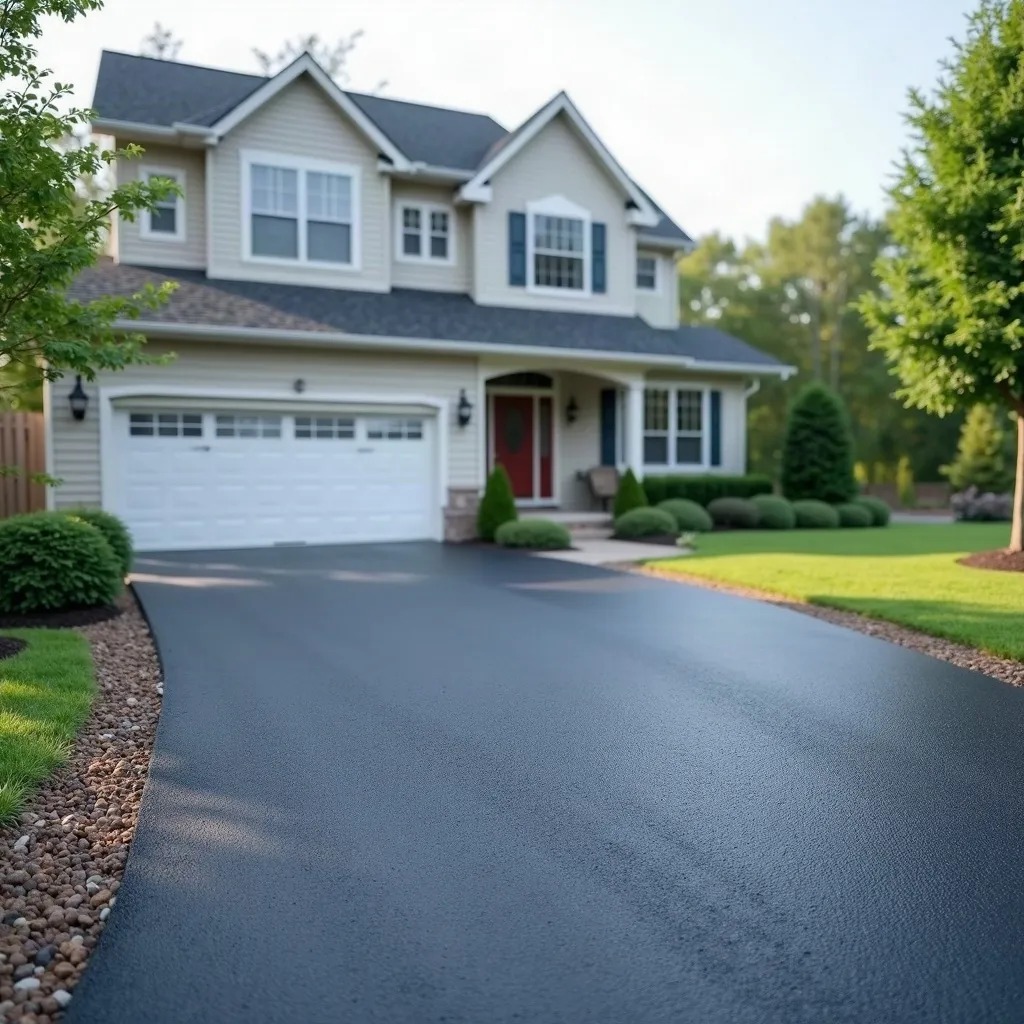
Professional Paving Solutions Improve Your Property
Professional pavement services revitalize outdoor spaces, enhancing both functionality and aesthetics. By applying expert techniques and modern equipment, these services ensure the careful groundwork and installation of multiple paving types. This focus on quality results in durable, long-lasting outcomes that withstand wear and tear while maintaining visual appeal.
Additionally, professional paving elevates real estate worth, constructing attractive pathways, parking areas, and decks that attract potential buyers. A properly paved area enhances safety by decreasing dangers like rough surfaces and heavy mud, supporting a more enjoyable outdoor environment.
Additionally, experienced professionals can offer customized designs tailored to individual preferences, guaranteeing that each project matches the property's unique character.
Pick the Top Surface Materials for Your Job
How can property owners select the ideal paving materials for their projects? Selecting the right material is crucial for both performance and aesthetics.
First, building owners should consider the specific use of the paved area. For driveways, durable materials like asphalt or concrete are often recommended due to their strength and longevity. In contrast, for patios or walkways, possibilities including pavers or bricks can showcase artistic value and multipurpose capability.
Next, climate exerts a considerable influence. Territories with heavy rainfall may benefit from absorbent materials that facilitate for better drainage, lowering the probability of floods.
Furthermore, maintenance requirements should be assessed; some materials demand more upkeep than others.
In the end, spending limits will impact the choice. While superior materials may involve a considerable upfront expense, they typically yield lasting savings through durability and diminished maintenance expenses.
Thus, careful study of these factors will point property owners toward making important guide informed choices.
Asphalt Paving Advantages
Asphalt paving is a top choice for homeowners pursuing durable and affordable solutions for their pathways and driveways. One of its primary advantages is its durability; asphalt can withstand heavy traffic and harsh weather conditions, making it perfect for residential use.
Moreover, asphalt is reasonably priced in comparison with other paving materials, giving homeowners to get a top-tier appearance without overspending. The installation process is also fast, usually accomplished within a day, limiting disruption to daily life.
Additionally, asphalt is easy to care for, needing just periodic sealing to extend its durability. These strengths make asphalt paving a sensible and wise investment for enhancing property visual appeal and utility.
Interlocking Paver Benefits
For homeowners exploring paving options, interlocking pavers provide unique advantages that enhance both aesthetics and functionality.
These versatile pavers come in diverse shapes, colors, and textures, enabling imaginative layout options that can match any property style. Additionally, interlocking pavers ensure excellent durability, withstanding cracking and shifting, which is particularly helpful in regions with unstable temperatures.
Furthermore, their unique aesthetic supports effective water drainage, decreasing the risk of inundation and degradation. This porosity also enhances environmental stewardship by facilitating rainwater to restore groundwater supplies.
Ultimately, the hassle-free setup and care makes interlocking pavers a practical choice, enabling homeowners to savor their beautiful surface without overwhelming maintenance requirements.
First Site Inspection
Which factors influence the initial site inspection for paving installation? Several key considerations come into play during this crucial stage. First, the land’s topography is analyzed to identify any slopes or drainage problems that may impact the paving process. Then, the current soil conditions are reviewed, as different soil types can affect stability and durability. Also, site accessibility is considered to plan how equipment and materials will be transported. Local regulations and zoning laws are examined to confirm compliance. Finally, existing structures and vegetation are examined to plan for any necessary removal or protection. This thorough evaluation sets the foundation for a successful paving project, making sure that all possible challenges are handled from the beginning.
Installation Processes Clarified
After a extensive site assessment has been concluded, the paving laying operation can commence.
The preliminary stage covers location preparation, where any existing materials are eliminated and the ground is leveled. In the next step, a base layer is installed, commonly containing stone aggregate or pulverized stone, which ensures firmness and water management.
Following this, the selected wearing course—such as asphalt or concrete—is positioned. This section involves careful application to guarantee a flat surface and proper alignment.
After the pavement layer is put in, it undergoes compaction to improve durability. Finally, the curing process starts, permitting the material to set correctly.
During the entire undertaking, direct communication with the property owner is critical to resolve any issues and ensure satisfaction with the final result.
Pavement Preservation Strategies for Prolonged Performance
Despite paving surfaces being designed for long-lasting performance, regular maintenance is essential to guarantee their extended life. Regular checks must be conducted to identify cracks, potholes, or signs of wear. Prompt repairs can avoid further damage and extend the lifespan of the road surface.
Furthermore, maintaining the surface neat is necessary; debris, foliage, and soil can trap moisture, leading to deterioration. Regular sweeping and occasional power washing help maintain a pristine appearance and operation.
Applying sealant every few years can defend the surface from environmental wear and sun damage, while also enhancing its cosmetic allure.
Ultimately, resolving drainage issues is significant. Proper drainage systems prevent water collection, which can weaken the paving material over time.
How to Locate a Reliable Paving Contractor
Identifying a dependable paving contractor is a significant step for property owners desiring to construct or modernize their paving surfaces. To start, individuals should pursue recommendations from friends, family, or local businesses that have previously undertaken paving projects. Online reviews and testimonials can also render insights into a contractor's reputation.
Once potential vendors are found, it is essential to verify their certifications, covering licenses and insurance. A professional tradesperson should present a thorough written estimate that outlines the work scope, materials, and timeline.
Additionally, requesting references from prior clients can help evaluating the contractor's credibility and standard of work. It's furthermore prudent to ask about warranties on workmanship and materials.
Ultimately, enabling candid communication and clarity during beginning meetings can nurture a trustworthy partnership, producing a accomplished paving work that meets expectations.
Questions That Are Regularly Inquired
How much time Will a Typical Paving Project Require to Finish?
A standard asphalt project typically requires one to three days to complete, depending on variables including the size of the project, intricacy, weather conditions, and preparation requirements. Proper planning can help streamline the work efficiently.
What Approvals Do You Need for Paving Installation?
Typically, driveway paving requires licenses such as local construction permits, zoning clearances, and environmental reviews. Rules differ by location, so consulting municipal officials ensures compliance with necessary legal requirements for the undertaking.
Can Asphalt Work Be Completed in Winter or Rainy Seasons?
Paving can be demanding during winter or rainy seasons due to thermal fluctuations and dampness. Cold weather can disrupt proper curing, while excessive rain may cause surface issues, leading to potential prolonged deterioration. Meticulous preparation is indispensable.
What Options Can I Apply if My Asphalt Develops Cracks?
If pavement develops fractures, the initial action is to assess the harm. After that, clean the area thoroughly, fill the cracks with appropriate filler, and consider expert services to prevent additional damage and preserve protection.
What steps should I take to verify that my surfacing expert is licensed?
To figure out whether a paving contractor is licensed, you need to confirm credentials with local licensing boards, require a copy of their license, and check for insurance coverage, making certain they meet industry regulations and safety standards.